Test it on a normal Tuesday.
A tool has to handle a rushed calendar, a messy spreadsheet, and a person who does not care how clever the model is. A clean demo is not enough.
About
I taught and coached in Wyoming before tech. Now I test AI tools on real work, then turn the useful parts into workshops, notes, and small tools.
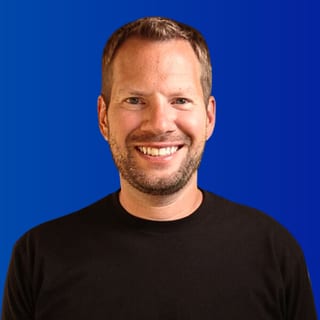
The route
That still explains how I look at AI. If a tool only works when the room is quiet and the prompt is perfect, it is not ready yet.
I work remotely from Wyoming now. That still feels a little funny and a lot useful.
A tool has to handle a rushed calendar, a messy spreadsheet, and a person who does not care how clever the model is. A clean demo is not enough.
Most people do not need another walkthrough. They need the first thing to try, what to check, and when to stop.
No brand deals. No sponsored praise. If I talk about a tool, it is because I used it and the lesson is worth sharing.
How I work
If a tool sounds futuristic but does not help someone finish the job or make a better call, it is noise.
I care less about the platform and more about whether someone can use the move again.
What I do now
Most of my work is practical: public tests, workshops, creator workflows, and small resources for people who do not want jargon or product docs.
I also do consulting, school trainings, and speaking. Same teaching job as before: make the next step clear enough that somebody can try it after the session ends.
Let's talk
I can help with workshops, school trainings, creator workflows, or turning one messy process into a next step people can actually run.